
Lead at the level of the whole organization.
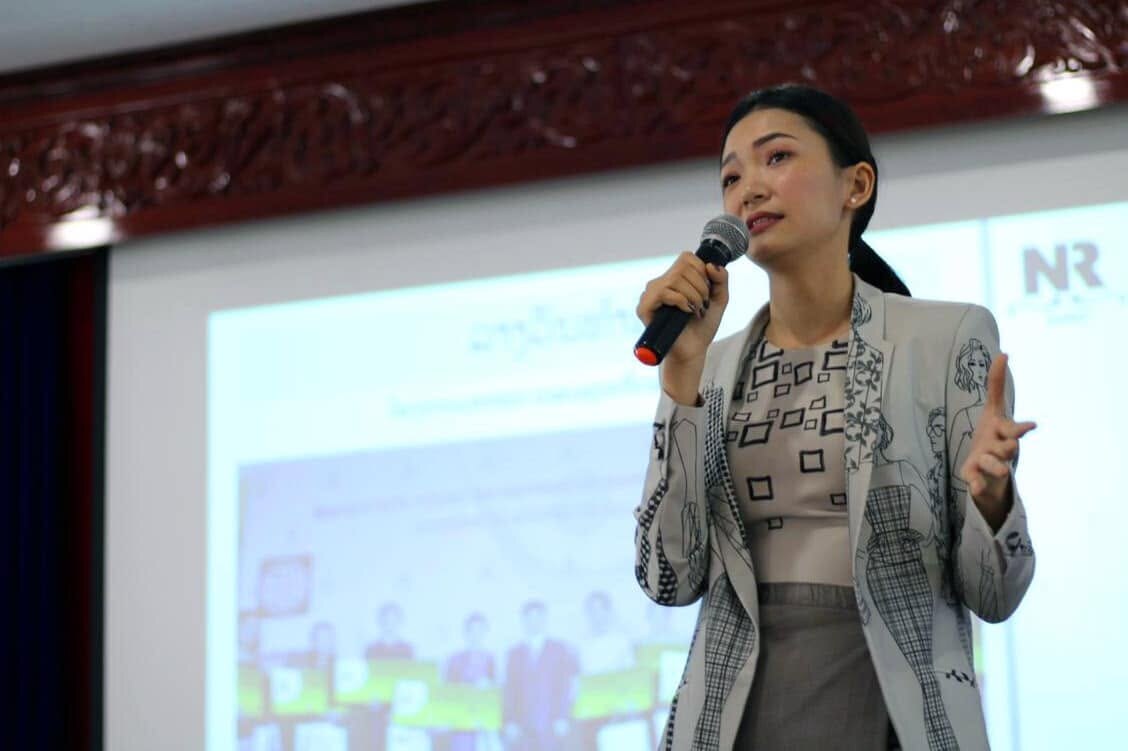
Four senior-level programs for leaders responsible for setting direction, driving innovation, leading change and building the teams that turn strategy into performance.
Executive leadership
The work changes at the top.
At senior levels, leadership is no longer only about managing a function or leading a team.
Decisions carry wider consequences. Priorities compete. Change crosses organizational boundaries. Progress depends on leaders who can see the whole, make difficult choices, align different perspectives and turn direction into coordinated action.
Katalyst Executive Education develops the judgment, perspective and practical leadership capability required at this level. Each program combines challenging cases, practical tools, peer discussion and direct application to the leadership situations participants face.

The Executive Education suite
Four programs. One senior leadership agenda.
Each program addresses a distinct organizational challenge while strengthening the judgment and action required of senior leaders.

Executive Education program
Strategic Leadership
See the whole. Make the choices that matter.
Strong strategy is more than a plan. It requires leaders to interpret the environment, establish clear priorities, make deliberate trade-offs and keep execution connected to strategic intent.
Leaders strengthen their ability to
- Think beyond their immediate function
- Make clearer strategic choices and trade-offs
- Align people and resources behind priorities
- Turn direction into coordinated execution
Executive Education program
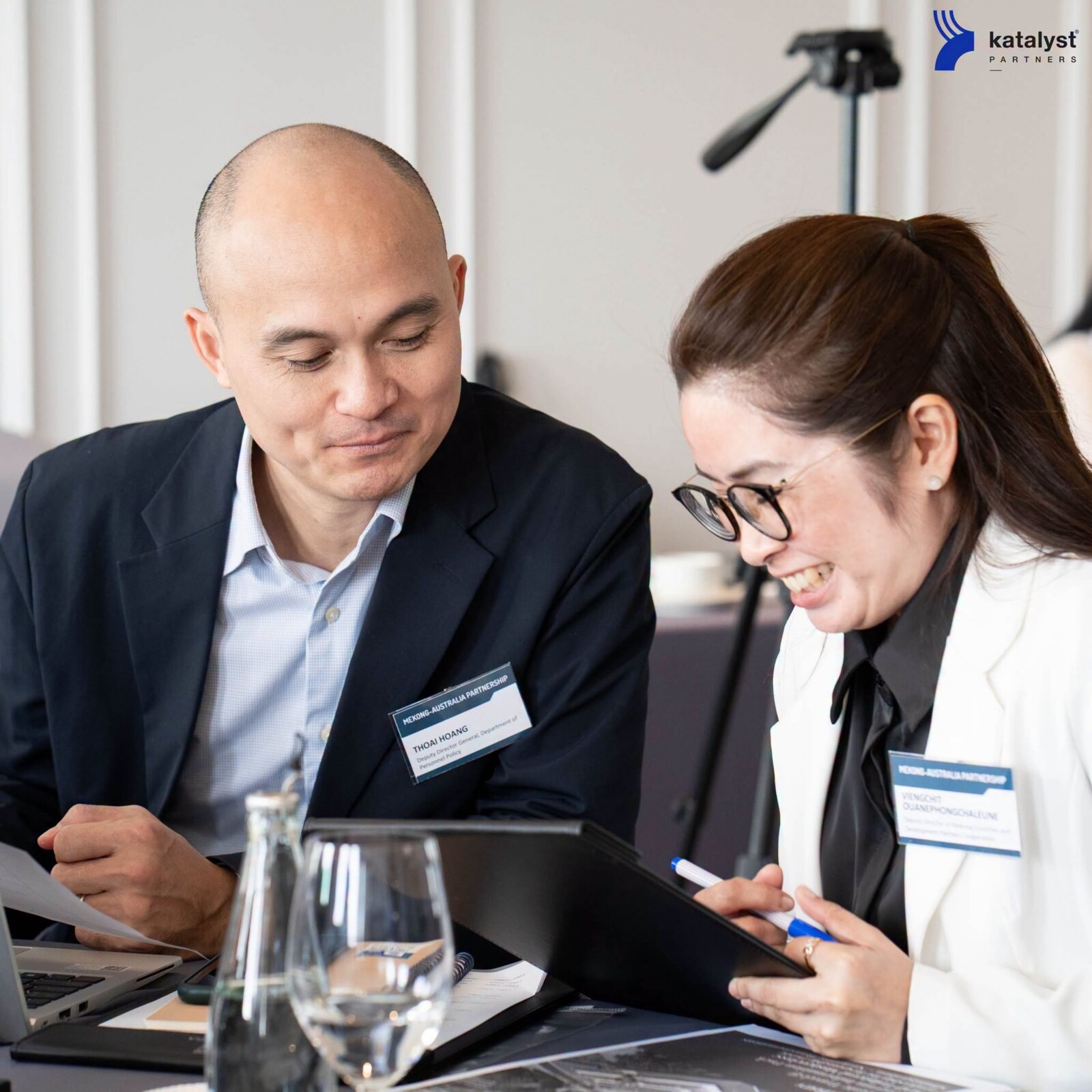
Leading for Innovation
Create the conditions for new thinking and useful action.
Organizations do not innovate simply because leaders ask for ideas. Innovation requires curiosity, experimentation, collaboration and discipline to turn insight into something valuable.
Leaders strengthen their ability to
- Frame complex challenges and opportunities
- Lead creative and analytical problem-solving
- Create space for experimentation and learning
- Move promising ideas toward practical application
Executive Education program
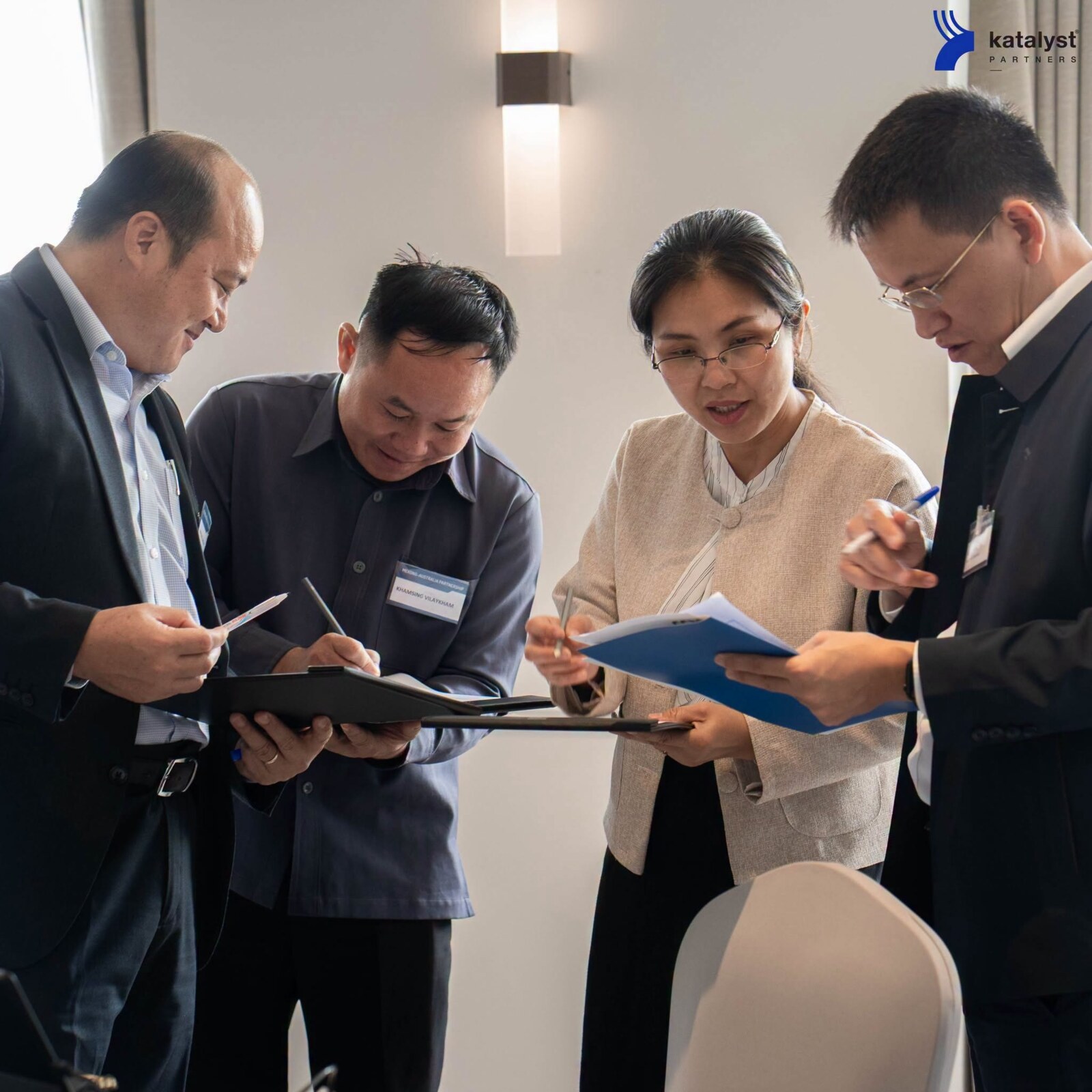
Leading Change
Move change from intention to adoption.
Announcing change is not the same as leading it. Leaders must build understanding, mobilize commitment, maintain momentum and ensure new ways of working become part of how the organization operates.
Leaders strengthen their ability to
- Diagnose the leadership demands of change
- Align stakeholders around a clear direction
- Lead through uncertainty and resistance
- Sustain momentum and embed change
Executive Education program
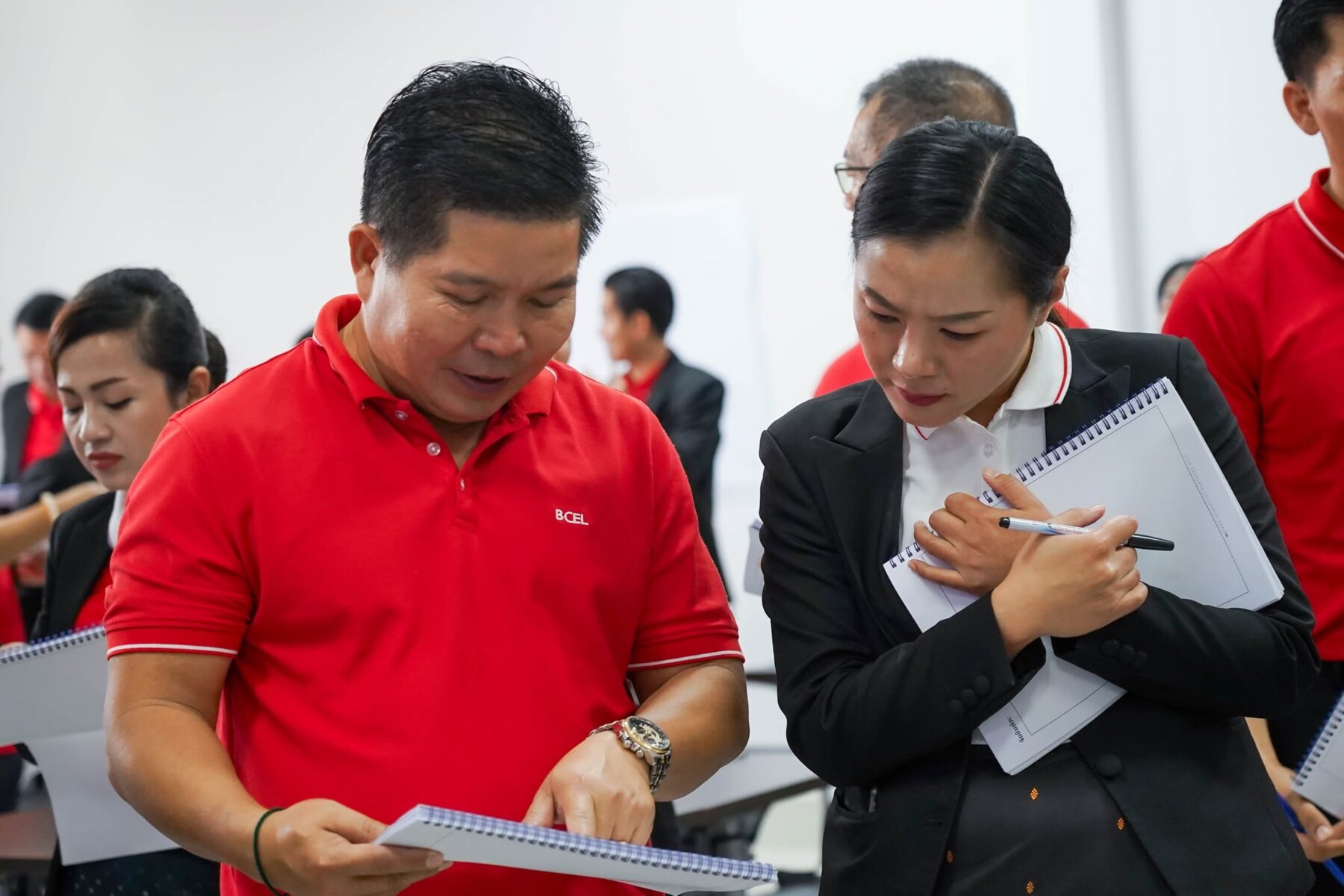
Leading High-Performing Teams
Turn leadership talent into collective performance.
At senior levels, team performance requires more than cooperation. Leadership teams must combine trust with candor, coordinate across organizational boundaries, make difficult decisions and hold one another accountable for shared outcomes.
Leaders strengthen their ability to
- Create clarity around purpose and priorities
- Build trust and constructive challenge
- Improve collective decisions and coordination
- Strengthen accountability for organizational results
How leaders learn
Built for serious leadership work.
The emphasis is not on collecting more leadership ideas. It is on strengthening judgment and changing how leaders act.
Challenging cases
Complex leadership situations that demand analysis, judgment and choice.
Practical tools
Clear frameworks leaders can use in the work that follows the program.
Peer challenge
Discussion that tests assumptions and brings different perspectives into view.
Work-based application
Direct connection to the organizational situations participants are leading.
Programs can stand alone or combine into a coherent Executive Education pathway.
The next conversation
Shape what comes next.
Talk to Katalyst about the right Executive Education program—or combination of programs—for your leaders.