
TVET & Skills Development
Connect skills
with opportunity.
Helping government institutions, development partners and employer organizations strengthen TVET and skills development in ways that work in practice and last beyond the project.
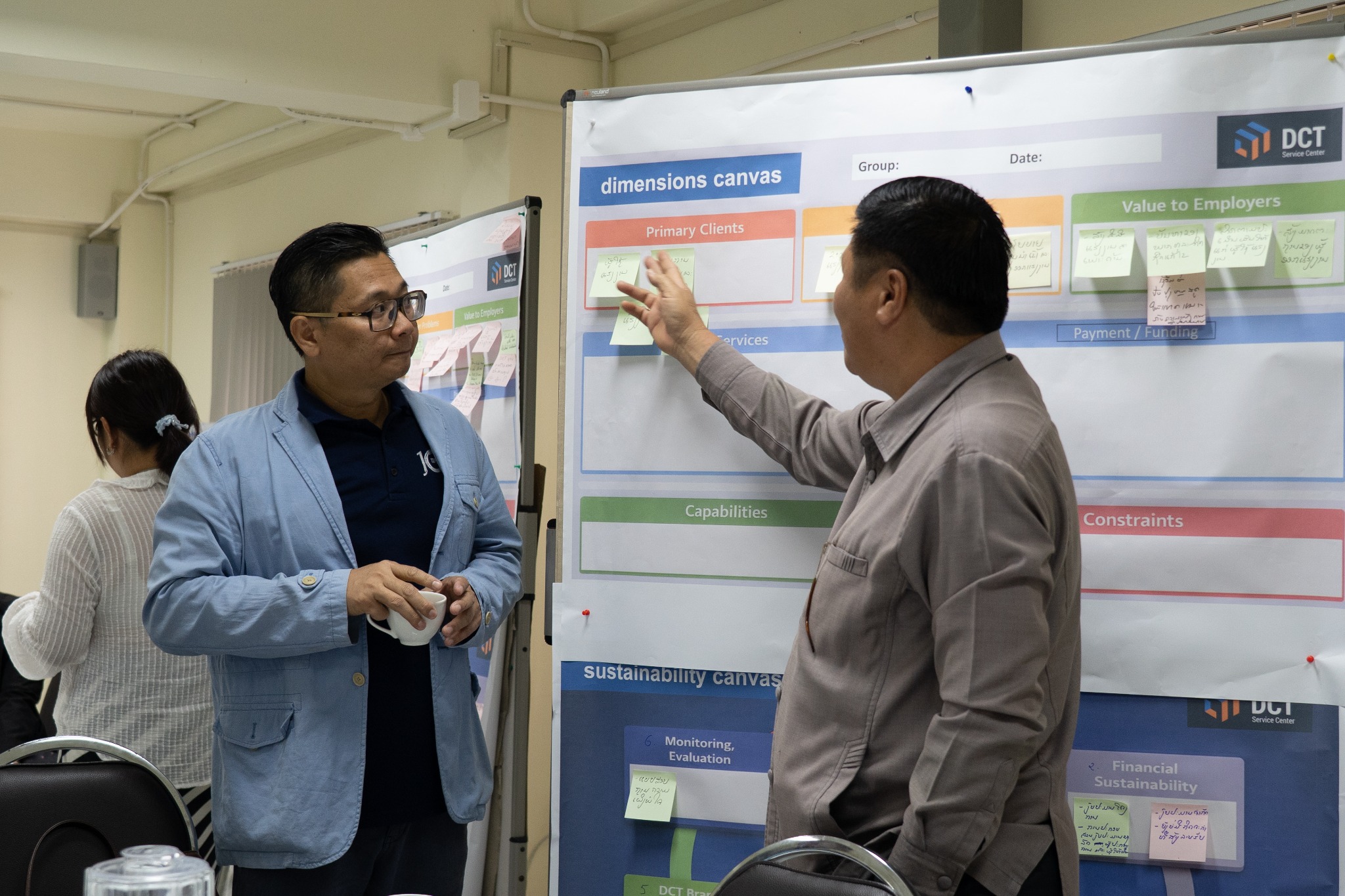
Making TVET work in practice
Good policy and project funding are only the beginning.
Institutions need workable plans. Employers need a meaningful role. People need skills that connect to real opportunities. And valuable services need a way to continue after project support ends.
Katalyst helps partners bring those pieces together through research, organizational planning, project management, employer engagement, service design and sustainability strategy.
Understand needs
Use interviews, data gathering and evidence to clarify what institutions, employers and people need.
Engage employers
Create a meaningful role for companies in shaping services, training and routes to opportunity.
Design useful services
Turn insight into relevant concepts, practical offers and services people will actually use.
Strengthen delivery
Turn plans into coordinated action through clearer roles, practical processes and stronger project management.
Plan for sustainability
Develop institutional roles, business models and funding options that can last beyond project support.
Build capability
Equip people and institutions with practical tools, skills and confidence they can continue using.
Selected work
The four examples below show how Katalyst helps partners understand needs, design relevant responses, strengthen delivery and build capability that lasts.
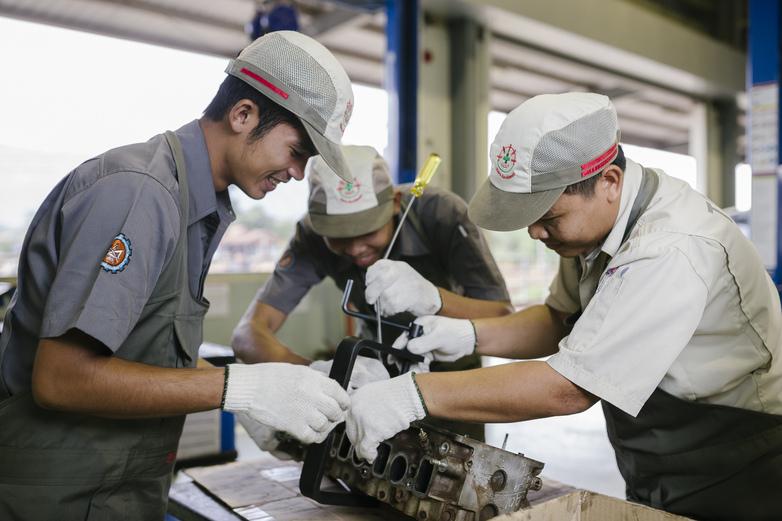
01
 GIZ RECOTVET / LNCCI
Employer research · Service design
Designing services companies would use
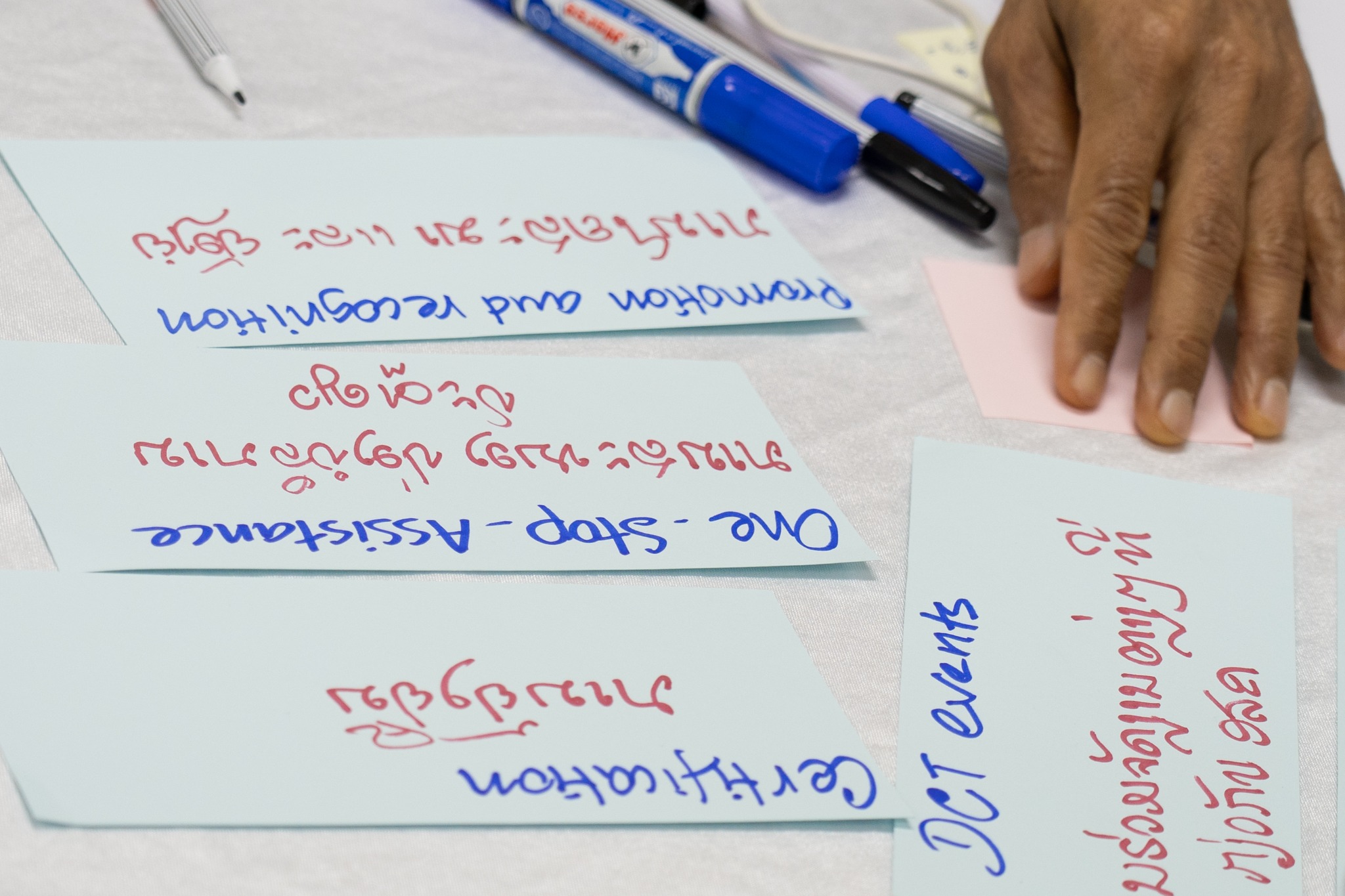
The Dual Cooperative Training Service Centre at the Lao National Chamber of Commerce and Industry was established to connect companies, TVET institutions and government.
This assignment focused on a practical question:
What services would companies actually value?
Katalyst began with employers, using interviews and data gathering to understand their needs, priorities and barriers to engagement.
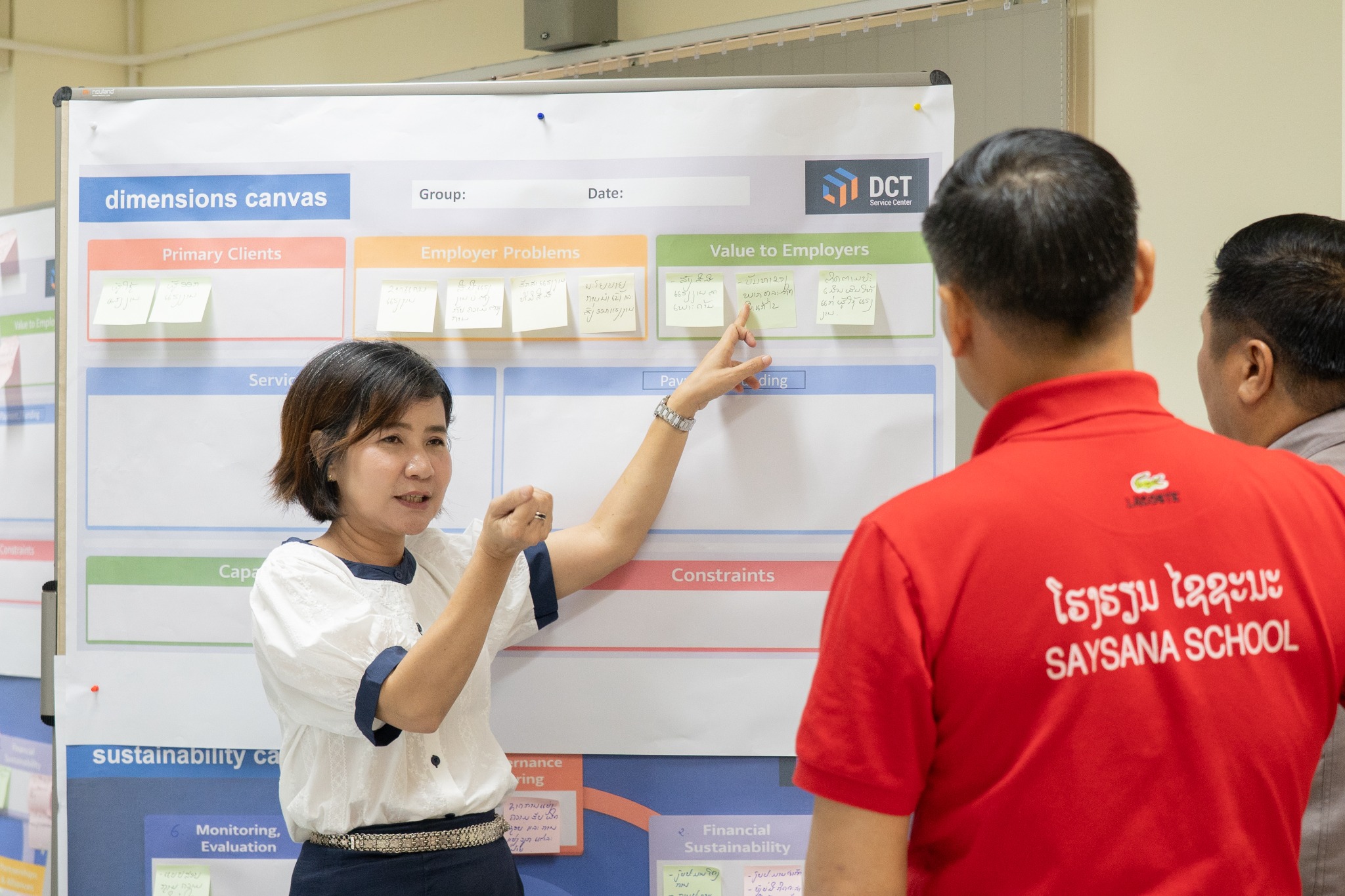
A practical design-thinking process then moved from insight to workshops, idea development, prototyping and testing. The aim was to develop service concepts grounded in what companies would find relevant and useful.
 GIZ VELA / LNCCI
Institutional strategy · Sustainability
Building a sustainable future for the DCT Service Centre
This later assignment addressed a different challenge: how the DCT Service Centre could continue its role over the longer term.
With VELA support scheduled to conclude in 2027, Katalyst worked with LNCCI, companies, TVET institutions and government stakeholders to develop a five-year sustainability strategy and business model through 2030.
The work clarified the Centre’s purpose, priority clients, most valuable services, institutional role, potential funding sources and the actions needed to move forward.
02
 LuxDev Skills for Tourism
Organizational planning · Project management
Strengthening planning and project delivery inside the TVET Department
Katalyst delivered two connected capacity-building assignments for technical staff from the Department of Technical and Vocational Education and Training.
The Organizational Planning program focused on translating priorities into five-year and annual plans, defining objectives and indicators, analyzing problems and risks, and strengthening monitoring and reporting.
The Project Management program covered the complete project cycle—from preparation and planning through implementation, monitoring, evaluation and close-out.
Both programs were built around the Department’s real responsibilities, giving staff practical tools they could use in their day-to-day work.


 03
03Structured data gathering · Skills intelligence
Understanding the skills organizations need
Since 2024, Katalyst and Wise Research have conducted the Annual Lao Skills Survey as a recurring exercise to understand changing skills needs and training priorities.
The survey gathers perspectives from HR professionals, development actors and public-sector representatives. It provides a picture of the technical and non-technical skills organizations are looking for, as well as the areas where training needs are changing.
Many organizations use the findings to inform their own annual training plans.
04
Strengthening TVET or skills development?
Whether the challenge is research, employer engagement, service design, organizational planning, project management or sustainability, Katalyst can help.